 11
11
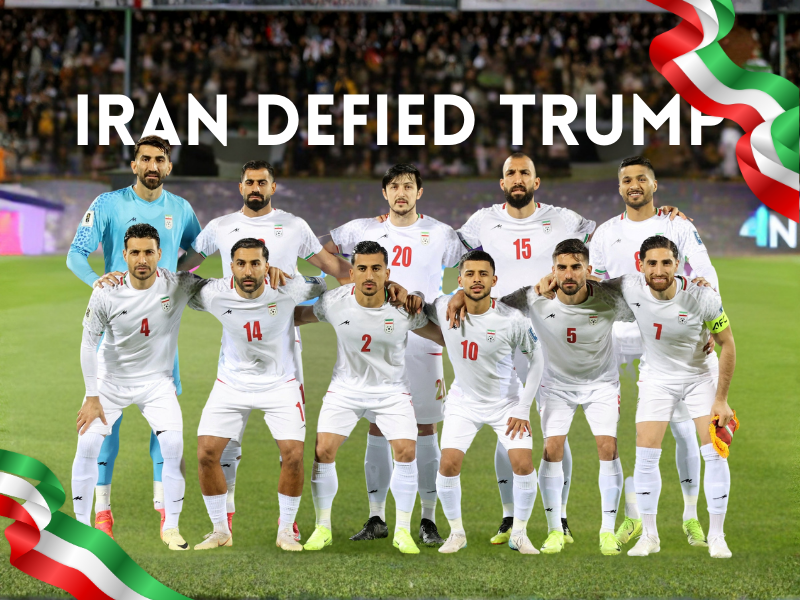
The ongoing controversy surrounding the 2026 FIFA World Cup has intensified after the Iran national football team declared that they have no intention of withdrawing from the tournament, despite rising diplomatic tensions and security concerns.
Iranian players responded directly to recent comments made by Donald Trump, who warned that Iran’s team should consider avoiding the competition due to potential safety risks. In a firm statement, members of the Iranian squad said “no one can exclude us,” emphasizing that participation in the World Cup should not be influenced by political disputes.
Earlier reports had suggested that Iranian officials were considering withdrawal following regional instability and the death of Supreme Leader Ali Khamenei. However, the players themselves have now publicly pushed back against the idea.
Team representatives argued that the World Cup is a global sporting event, not a political platform controlled by any single nation. They called on FIFA to ensure that the tournament remains fair and secure for all participating teams.
The statement has significantly increased pressure on FIFA as the governing body attempts to navigate the growing dispute.
With preparations for the 2026 tournament already underway, FIFA now finds itself in a complicated position. The competition will be jointly hosted by the United States, Canada, and Mexico, meaning security arrangements and diplomatic considerations are becoming increasingly sensitive.
Analysts say FIFA may soon need to intervene directly to prevent the situation from escalating further.
Experts in international sports governance believe that a diplomatic safe-passage agreement could emerge as the most realistic solution. Such a deal would guarantee the security and movement of Iran’s players, officials, and staff during the tournament.
However, negotiations of that scale would likely require cooperation between multiple governments and international organizations.
If the issue remains unresolved, analysts warn that the situation could trigger wider consequences for the tournament. Some observers believe a prolonged dispute could even lead to boycott threats from other national teams, potentially creating one of the most complicated crises in World Cup history.
For now, the global football community is waiting to see how FIFA handles the standoff, with the governing body expected to make crucial decisions as the countdown to the 2026 World Cup continues.